A plant that strikes terror in some who have fallen victim to its skin-eruptive oils is Poison Ivy, Rhus radicans. It’s surprising how many people don’t know what poison ivy looks like. We always point it out when berry picking or taking a hike in the woods. People should know not to come into contact with those three leaves.
A poison ivy rash is something to be avoided at all times. Worse than an insect bite, poison ivy rashes can spread when the affected area is scratched. Pustules can break open and release liquids which easily spreads the plant’s oils that blister the skin.
TIP: Do everything you can to not scratch the itchy, reddened blotches for your rash to go away the fastest. Wash contaminated clothing before re-wearing.
What does Poison Ivy look like? A popular saying to remind one what it looks like is, “Leaflets in three, let them be”.
Poison ivy is a vine that often grows along trails and areas at the edges of forests. It may grow from underground roots or from runners along the ground and up into the trees. Look for hairy roots on vines that can be several inches in diameter which have grown up the trunks of large trees.
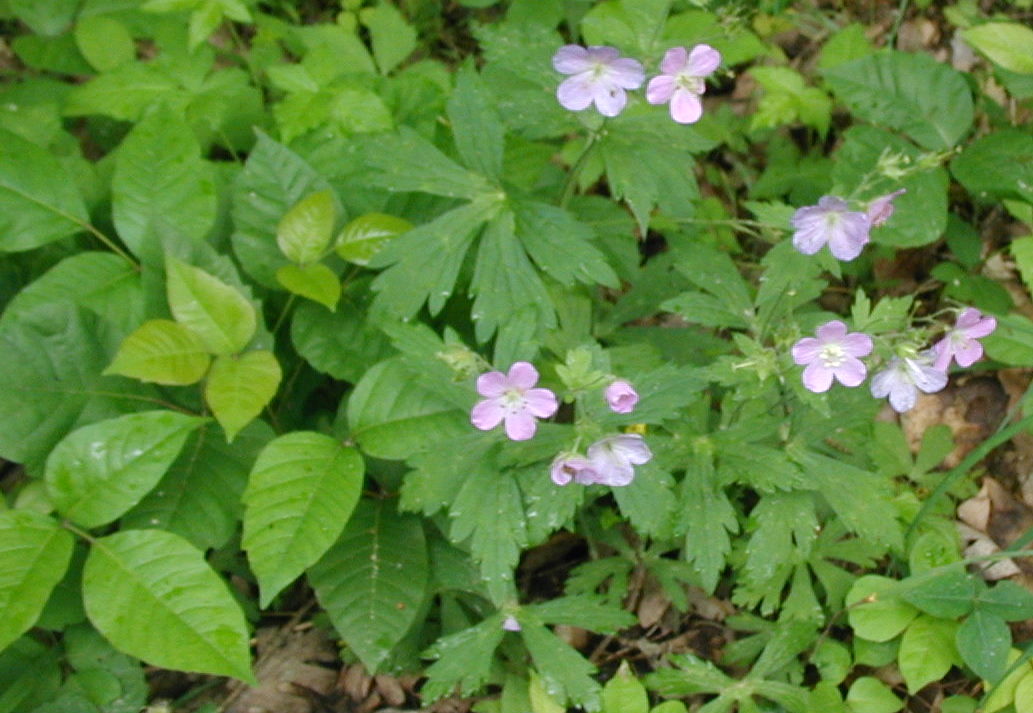
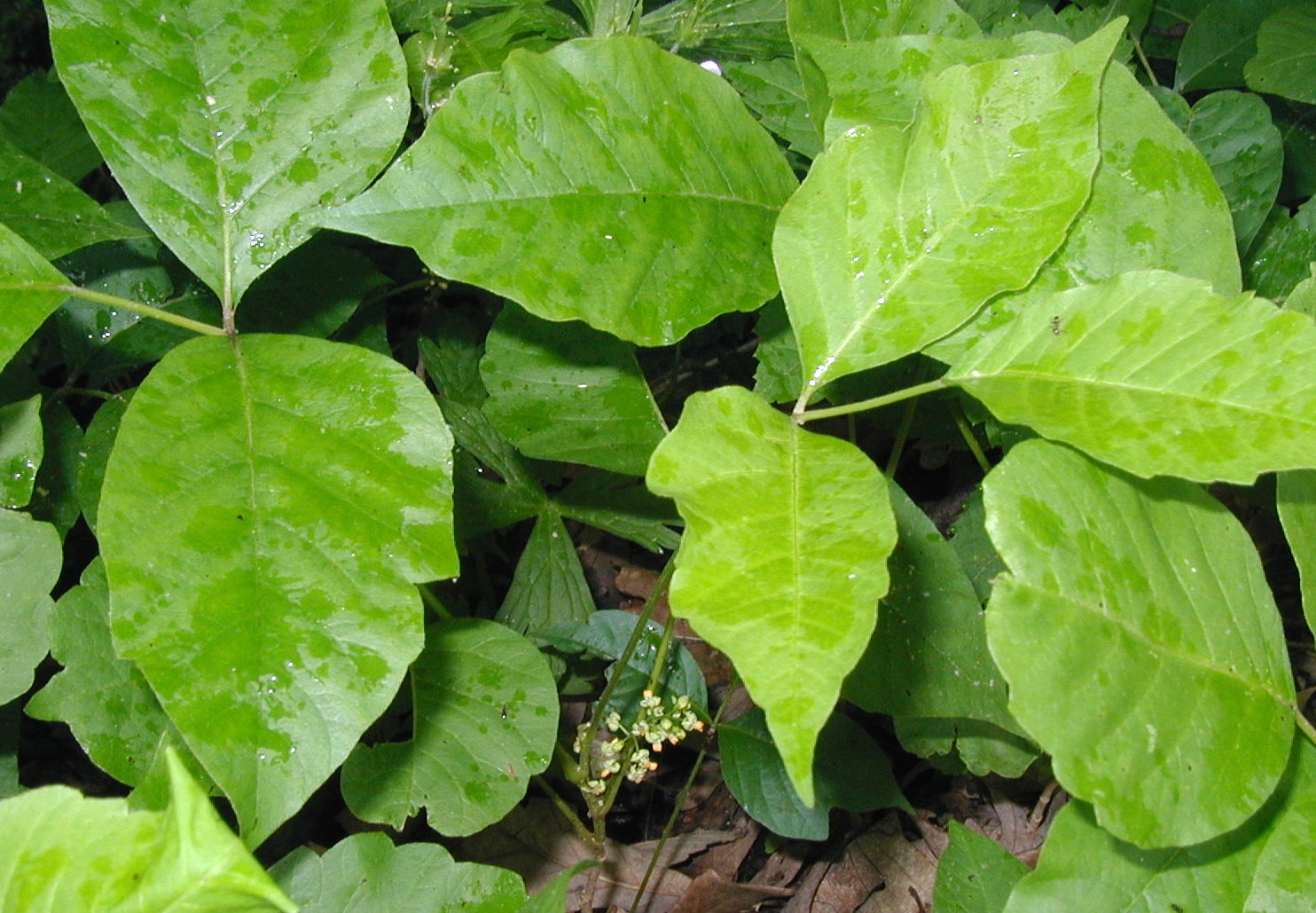
Two triplicate leaves can be seen in the below image. Each leaf is a palmately compound leaf, meaning that one leaf consists of a long stem plus the three leaflets. Flower clusters arise where the two leaf stalks meet at the main stem.
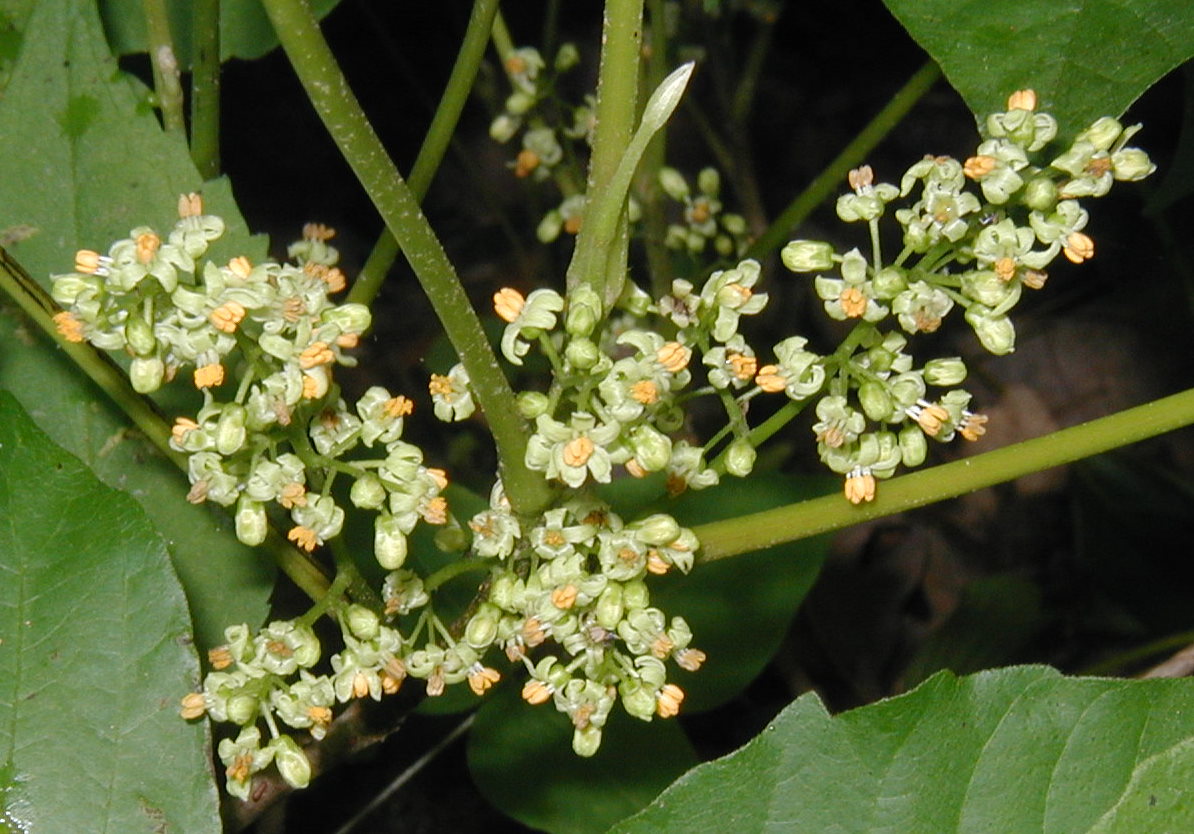
The flowers of poison ivy may be seen on mature plants as clusters of orange and light green blossoms that occur in the leaf axils. Petals are light green to whitish and the stamens are orange.
Flowers develop into white berries during the summer. Birds and small mammals eat them. People should avoid them as they are poisonous to the touch from all parts of the plant, including the leaves, flowers and berries.
Well don’t I feel dumb!!! Just moved to a new house, big yard and it needed a lot of work. There are floral plants, bushes, herbs, and what I thought was a pretty green bush that sprouts beautiful purple flowers. The plant required little attention, but we just had a heavy rain n it looked like it needed help in order to bloom again, so of course I went at it picking dead blooms that revealed berry looking new blooms.. Then I noticed all the leaves of three.
Hi Jen! If you weren’t using gloves, hurry up and go wash your hands up to your elbows. If you can wash up within about 30 minutes of contact, supposedly the rash will be much reduced. Else, get out the anti-itch lotion! Poison Ivy can be so sneaky as to hide among the plants we want to raise. I guess you found that out the hard way. Bummer.
I wasn’t wearing gloves ? but I did come in and wash past elbows face etc. how do u post a pic on here? I’d like to show it
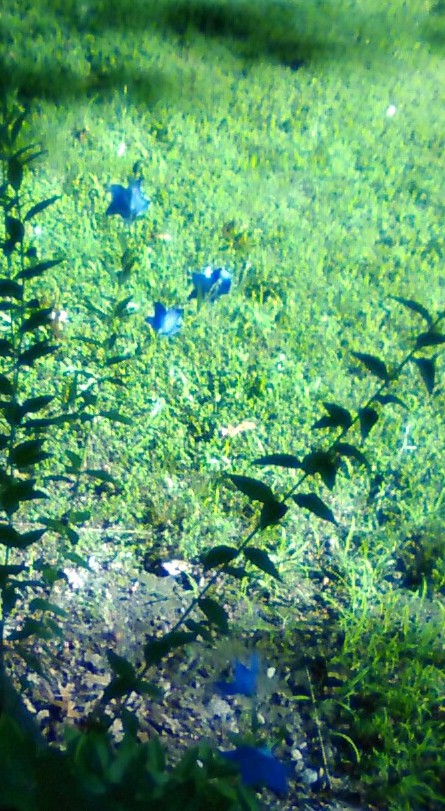
Looks like a very cool color of blue. I think those are called Balloon Flowers.
Good luck in your new place!