The Great Spangled Fritillary Butterfly Ballet

Posted on 30 July 2006 by wilde

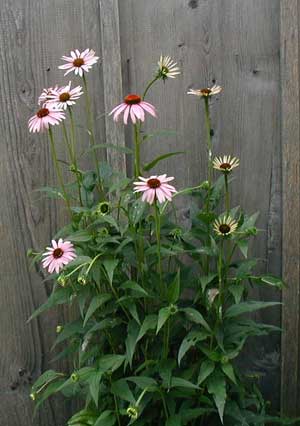
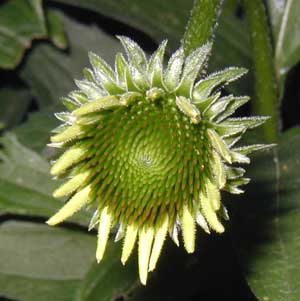
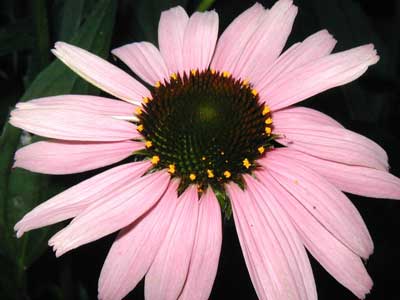
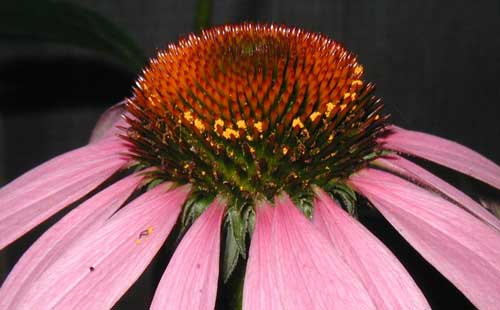
In the heat of the summer we watched a fritillary butterfly ballet atop the purple cone flowers. The most common butterfly we have observed in the last few days has been the Great Spangled Fritillary Butterfly.
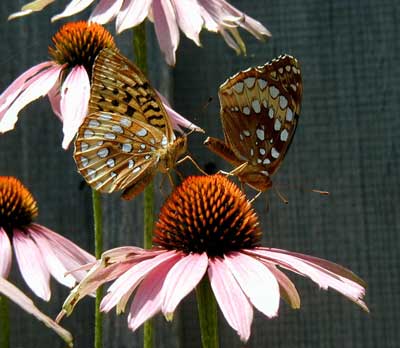
The fritillary butterfly ballet begins!

While one butterfly seems interested in the nectar from the purple cone flower, the other butterfly seem interested in some other nectar!
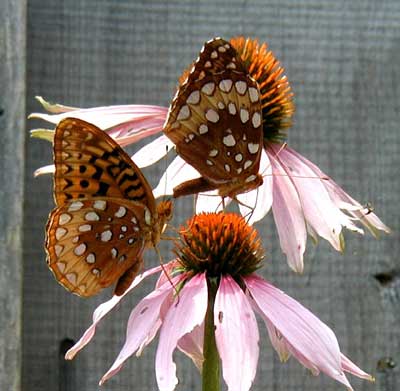
Butterflies seeking nectar.

With probocis’ curled, noone is drinking in the flower’s nectar at this moment.

Curled sippers at the moment.

Curled sippers at the moment.

The hind wing on this butterfly shows a reflection of the flower’s petal color. Notice the pink cast to the usually white or silver spots. This could be a means of blending in with the environment for the sake of avoiding predators.
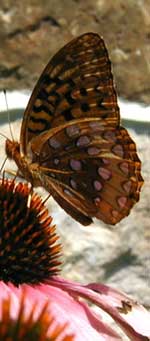
Silvery spots reflect the colors of the flower petals.

As one butterfly repositions on the head of the cone flower his wings open to retain balance.
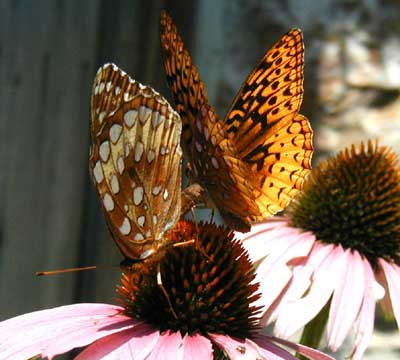
Wings are spread to maintain balance.

Wings are spread to maintain balance.

The forewing patterns are different between the male and female of this species. The male has mostly black spots and lines on an orange background, while the female has a lighter tan background and white spots near the edge of the wing with black lines on the inner part of the forewing. Notice how the female holds her hindwing in a more forward position than the male. Is this a submissive posture or an invitation?
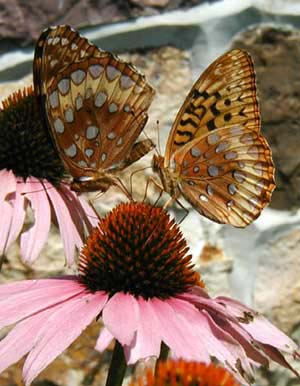
Forewing patterns are different between the sexes.

We never actually caught these two in the act, but I assure you that plenty of butterfly love is happening all around the cone flowers and the purple-flowered butterfly bush, too!
Lariope, Statice, Dahlias and Greystokes

Posted on 24 July 2006 by wilde

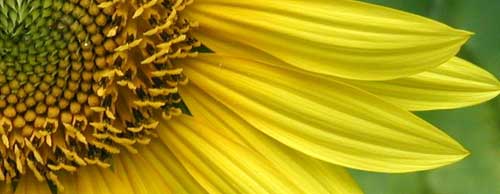
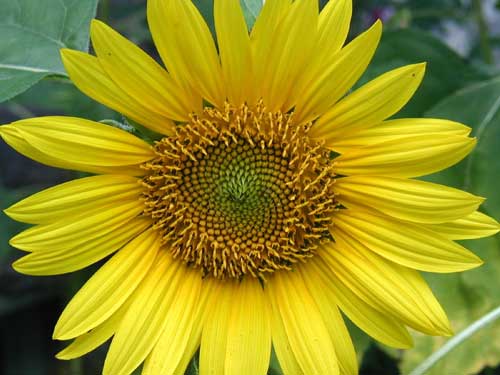
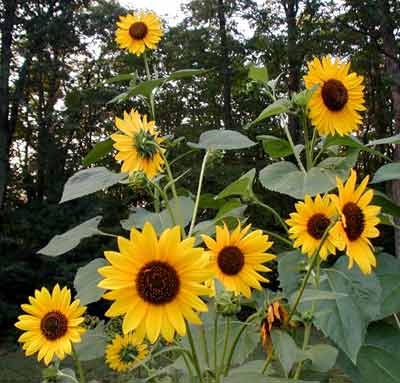
These sunflowers aren’t a giant variety, but they ARE pretty big, and they really draw the goldfinches. Sunflowers can get so tall and the leaves grow so big.

Sunflowers with several large blossoms.

Sunflowers with several large blossoms.

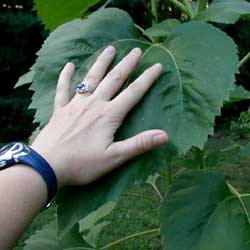
Now that's a large sunflower leaf!
Now that’s a large sunflower leaf!

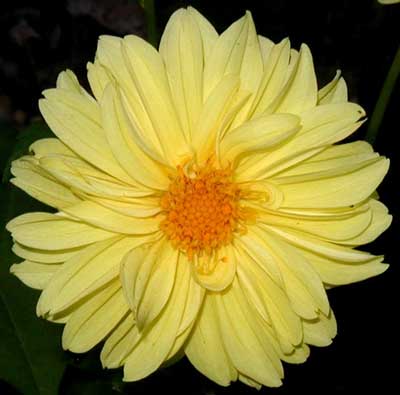
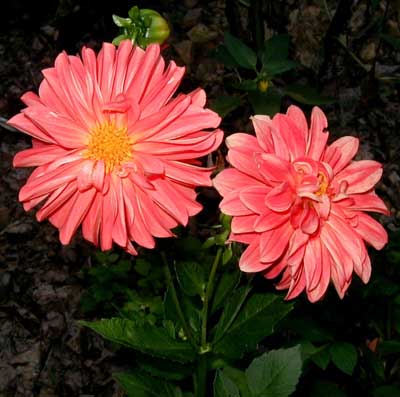
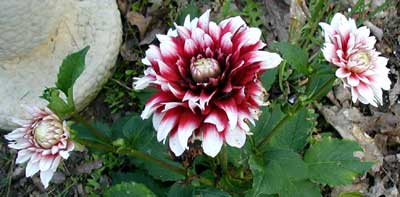
Dahlias sport many colors, ranging from light, lemony yellow to a salmon red and a variegated purple and white.

Lemony yellow dahlia.

Lemony yellow dahlia.

Salmony red dahlia.

Salmony red dahlia.

Deep purple and white variegated dahlia.

Deep purple and white variegated dahlia.

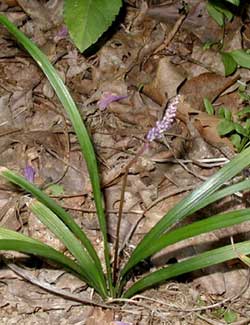
Lariope grass from North Carolina is about to bloom. The spike of light purple flowers will be opening soon. I hope the seeds will help to establish this plant as a border for this flower garden. In any case it seems that some of the plants have adapted to the conditions here in Pennsylvania.

Lariope blooms in spike of light purple flowers.

Lariope blooms in a spike of light purple flowers.

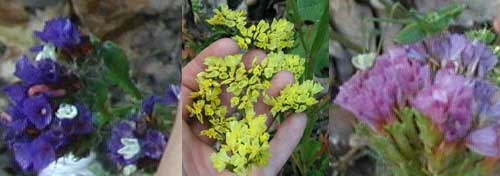
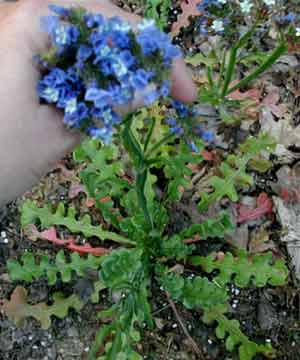
Statice is an unusual plant. The stems are rather flattened and sort of strange looking and they arise from a rosette of deeply cleft leaves at its base. The variety of colors makes statice a sought-after bloom for dried flower arrangements. In our small sampling we have yellow, blue, white and purple hues represented.

Statice blooms in many colors which makes it a nice flower for dried arrangements.

Statice blooms in many colors which makes it a nice flower for dried arrangements.

Spikes of statice flowers atop a basal rosette of green leaves.

Spikes of statice flowers atop a basal rosette of green leaves.

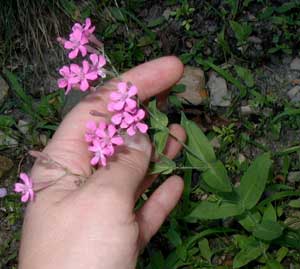
The pink oxalis from North Carolina is doing well. Here you can see the five-petaled flowers and the leaves that clasp the stem from opposite sides.

Pink flowering oxalis.

Pink flowering oxalis.

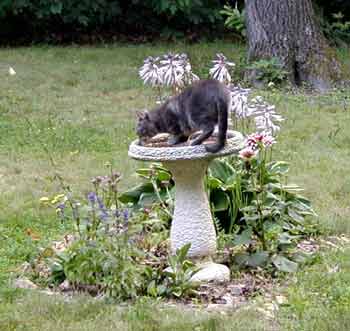
Gee, I was wondering why we don’t see any birds at the birdbath!

Greystokes taking a drink at the birdbath.

Greystokes taking a drink at the birdbath.

Cactus Flowers and Hibiscus

Posted on 21 July 2006 by wilde

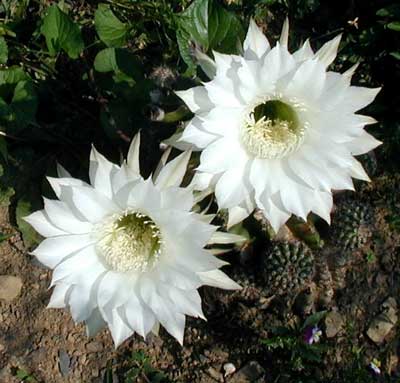
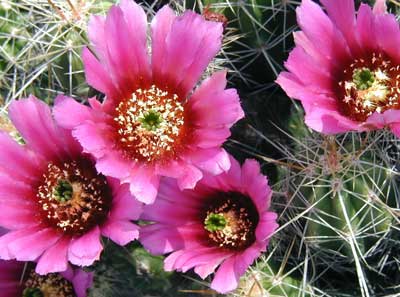
A neighbor has really beautiful cacti growing all about her place. I don’t know a thing about them to give them names. It is curious that some of them bloom only for one day, like these white cactus blossoms.

White cactus blossoms bloom for one day only.

White cactus blossoms are here for only one day.

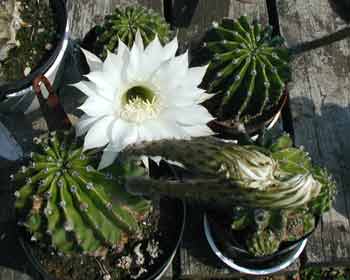
A large stalk is sent up, the flower blooms, and then it’s done for about a month, storing up energy for the next blooming.
Two cactus stalks rise up before the flowers bloom.

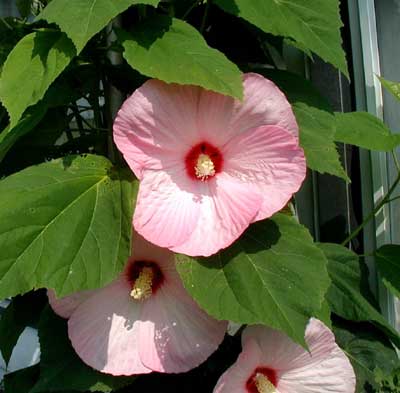
Portulacas, Sweet Williams and Hibiscus are all blooming in the heat of the summer.

Pretty hibiscus in pink.

Pretty hibiscus in pink.