Some of the alien plants aren’t all bad. They’re here because humans brought them here, either on purpose or by accident. We’re stuck with them, so why not try to enjoy the aliens or non-natives?
If we see there is direct competition, we may be able to help our native friends out. For instance, when the garlic mustard gets too numerous along the lane, we just walk down the lane, pull out the plants, and let them lay on the road. They’re shallow rooted and very easy to pull up, especially in the Spring when there is a lot of moisture to the ground.
The plants left to lay in the road should dry up and not be able to grow more or set seeds. I enjoyed seeing that the ‘keepers of the forest’ at Little Buffalo State Park do the same thing. On my trail walks there I’ve seen the pulled out garlic mustard plants withering in the middle of the trail.
After pulling up the garlic mustard plants there will be fewer plants the following year. They won’t be extinguished as there are very short plants, maybe six inches tall, that bloom and most likely set seed. The little plants more easily hide from us weed-pullers, so they probably will help to produce the following generations.
Another alien plant that blooms prolifically and will always be here is the mustard plant. The Peterson Wildflower Guide
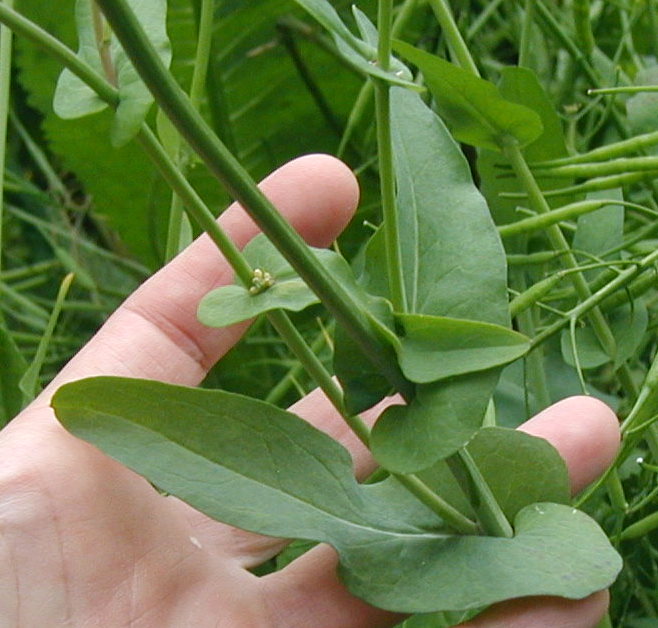
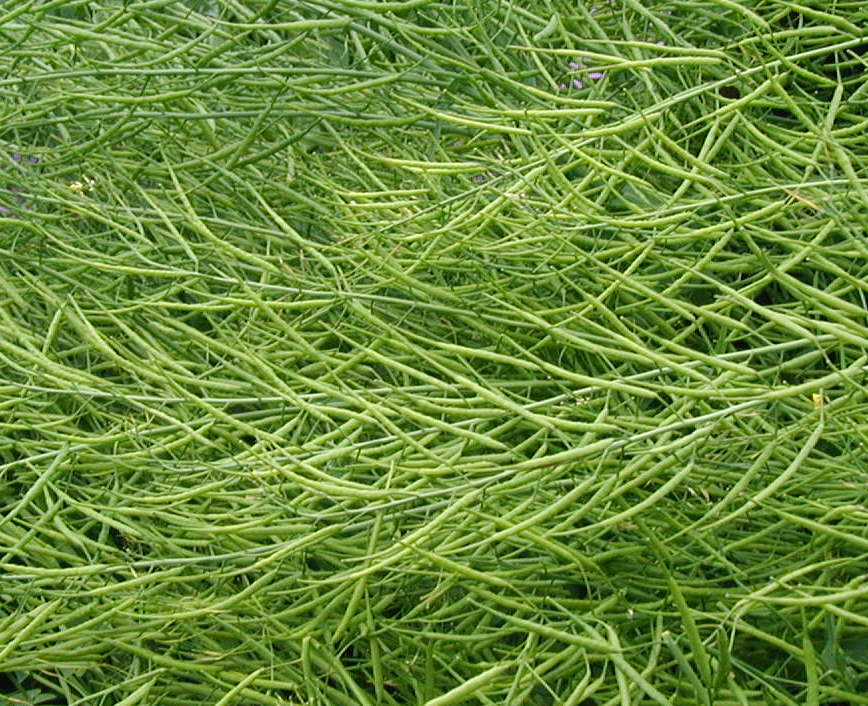
Bright yellow four-petaled flowers in terminal clusters and slender erect seed pods are common characteristics of mustards. When you have a mass blooming of mustard in open fields, it surely gives a lot of color to the landscape.

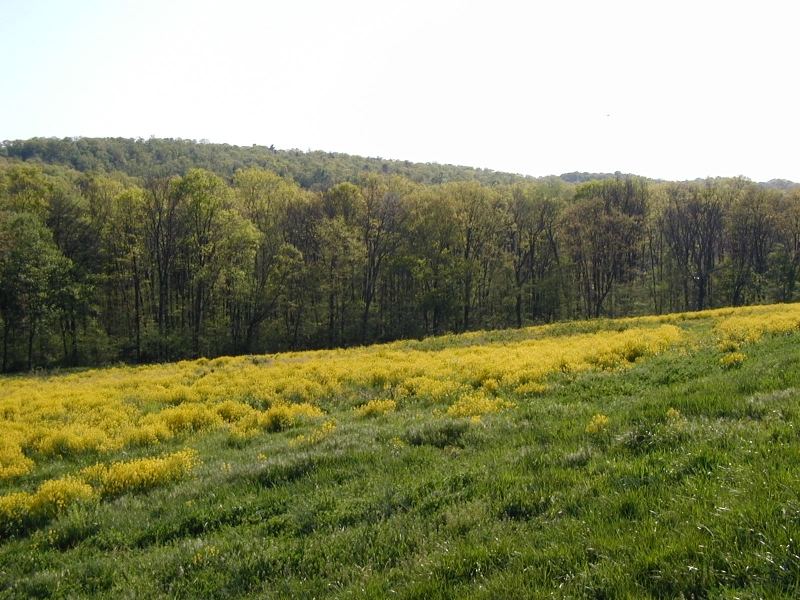
Of course, the mustards are edible. If one was the industrious type she could harvest the young leaves for cooked greens or salads. The older leaves are too bitter, so collecting mustard leaves has to be done on the earliest warm days of Spring. The seed pods can be pickled and the ripe seeds can be ground to make a spicy mustard.
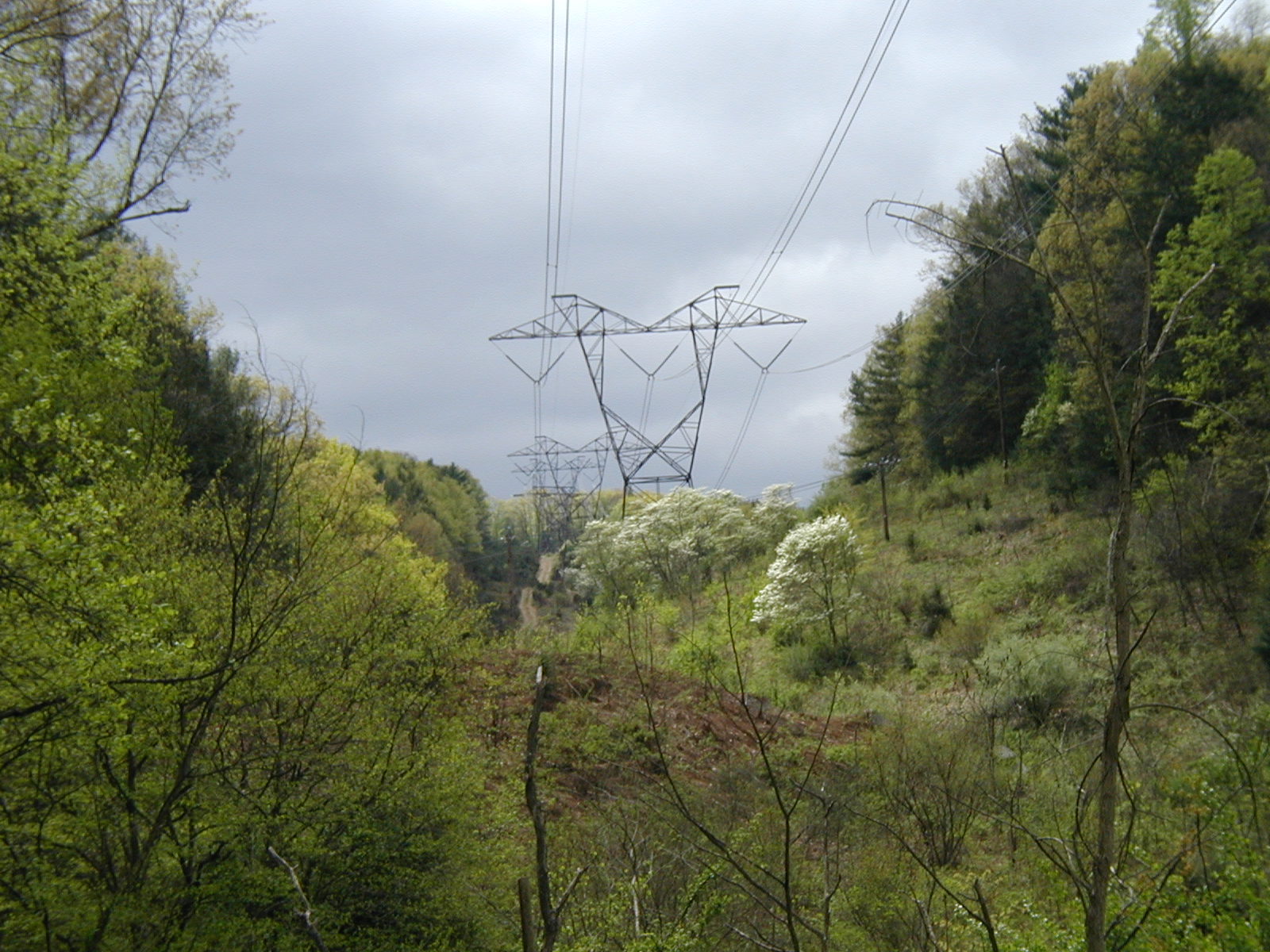
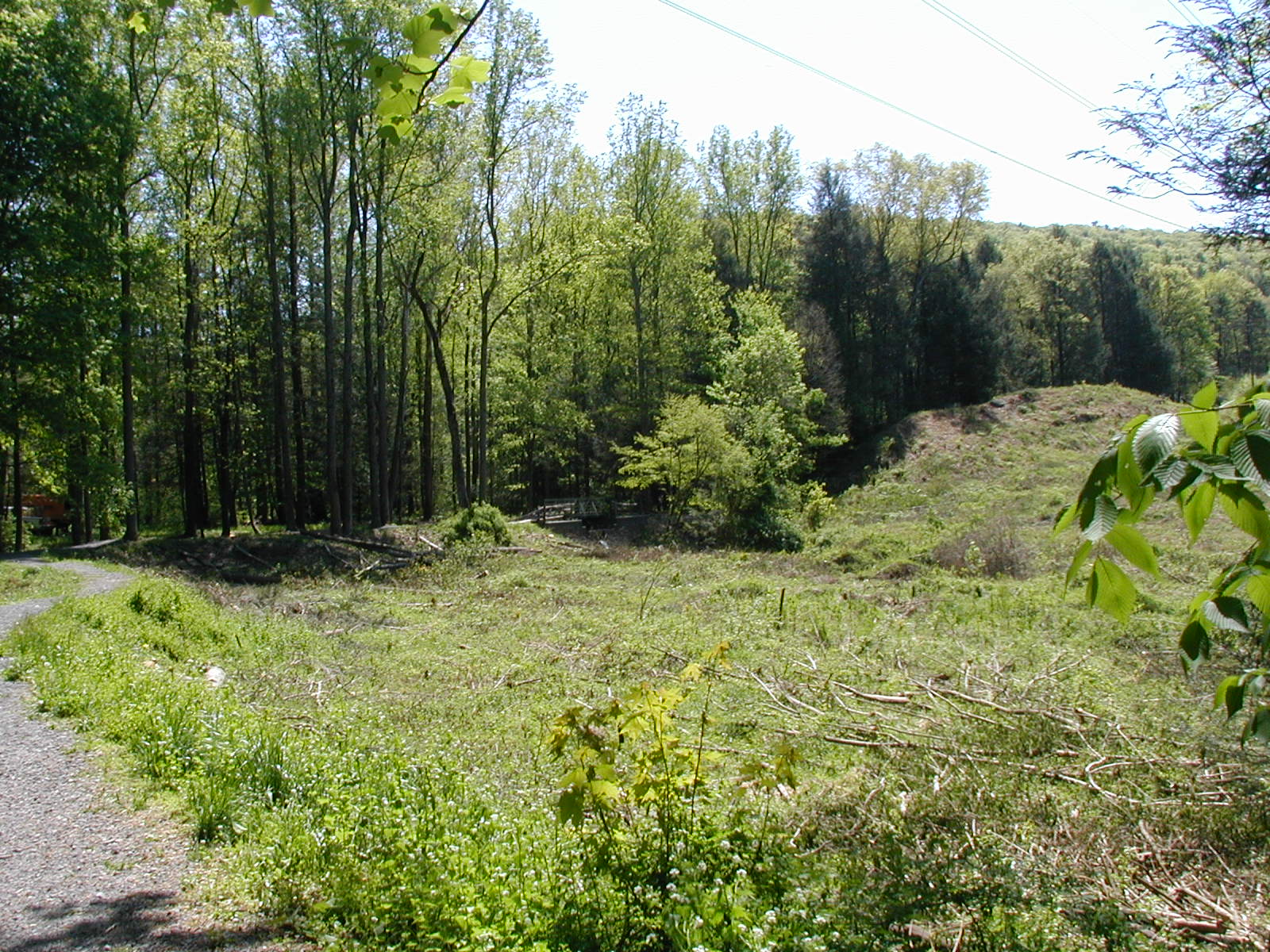
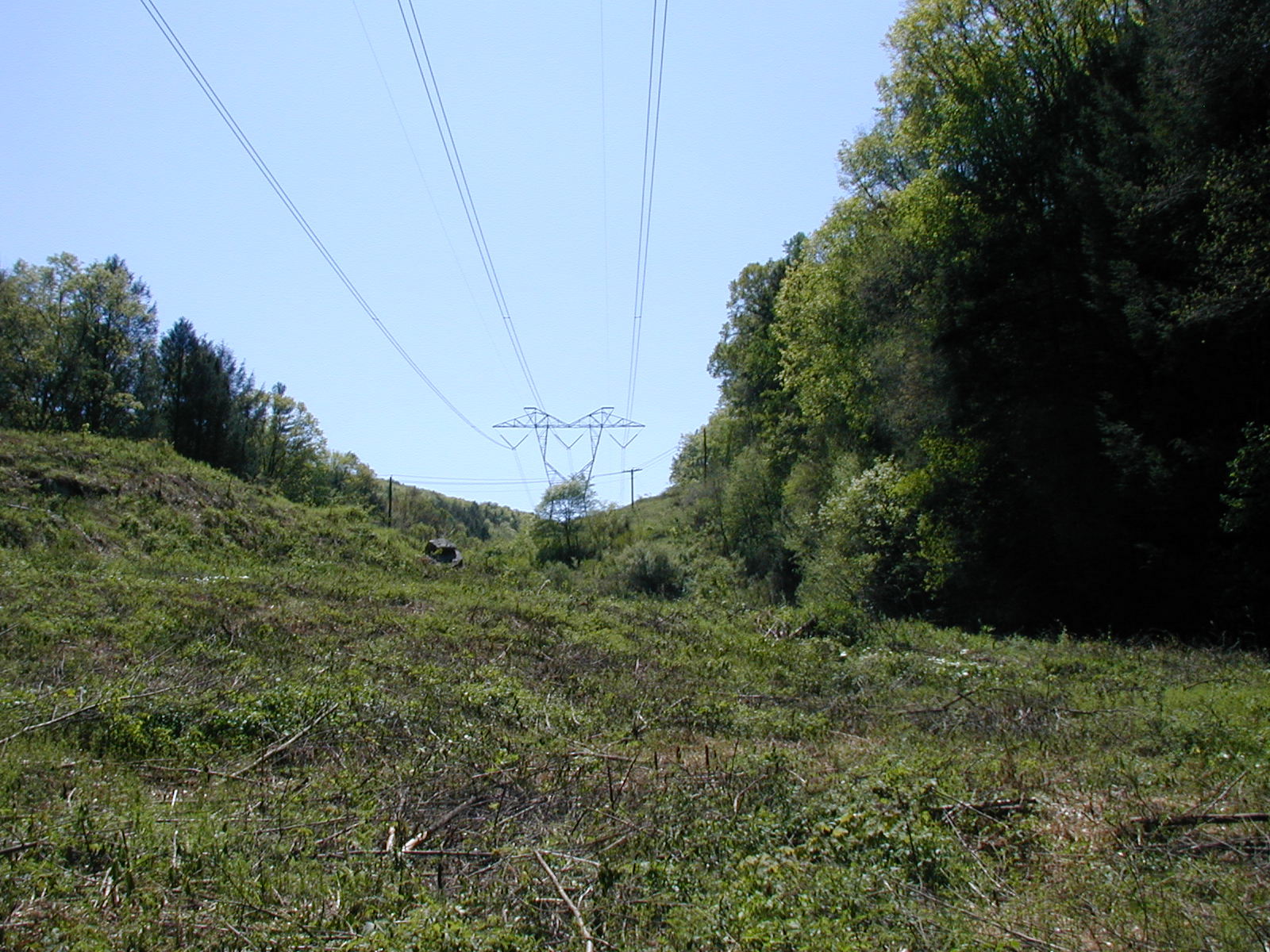
Photos of mustard fields taken 30 April 2010.
Related articles by Zemanta
- Can’t Beat’em, Eat’em: Garlic Mustard (fragmentsfromfloyd.com)
![Reblog this post [with Zemanta]](http://img.zemanta.com/reblog_e.png?x-id=63065afb-8a3e-4582-97cd-f5b4f1bafe8d)

![Reblog this post [with Zemanta]](http://img.zemanta.com/reblog_e.png?x-id=e1875d20-b5a3-49a2-9613-f98a84d0e2c6)

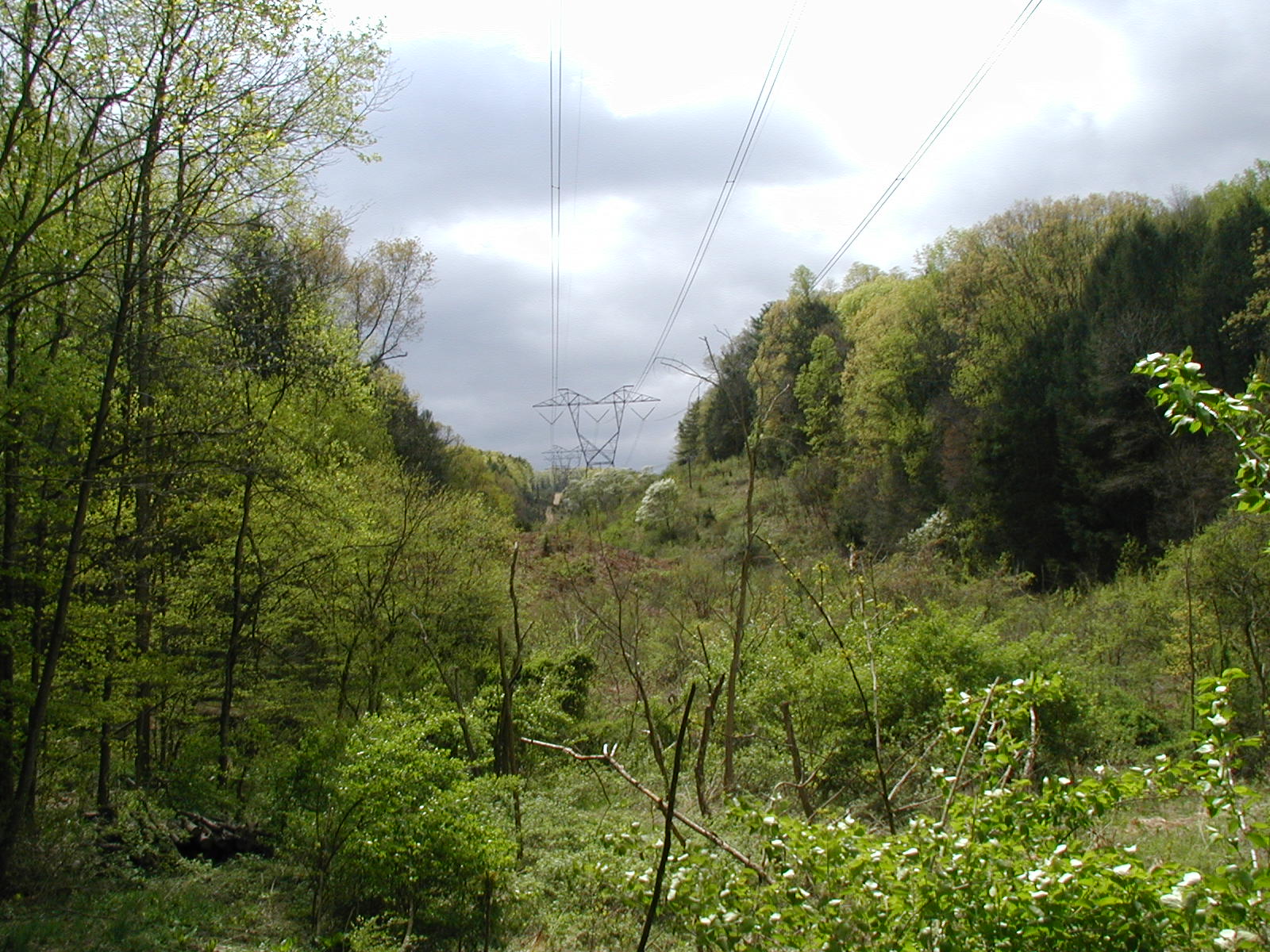
 which does cover some shrubbery.
![Reblog this post [with Zemanta]](http://img.zemanta.com/reblog_e.png?x-id=577f6852-5d51-4e6e-b2e9-d6340970ea23)


![Reblog this post [with Zemanta]](http://img.zemanta.com/reblog_e.png?x-id=3f5011f5-82d7-4e3c-91e1-79d46130ac10)

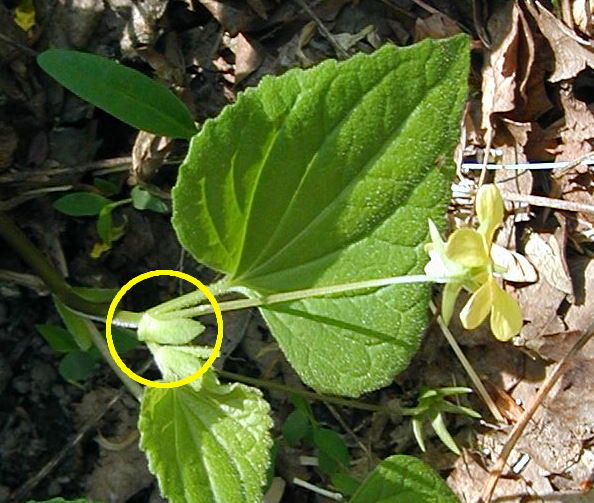

 tells us that the yellow species may be mildly cathartic, which means that they may act as a laxative. The young leaves and flowers can be added to salads. The leaves can be used to thicken soups, boiled as a cooked green, or dried to make tea.
![Reblog this post [with Zemanta]](http://img.zemanta.com/reblog_e.png?x-id=820ba929-6f9e-4687-9d32-c3df1a8540cd)

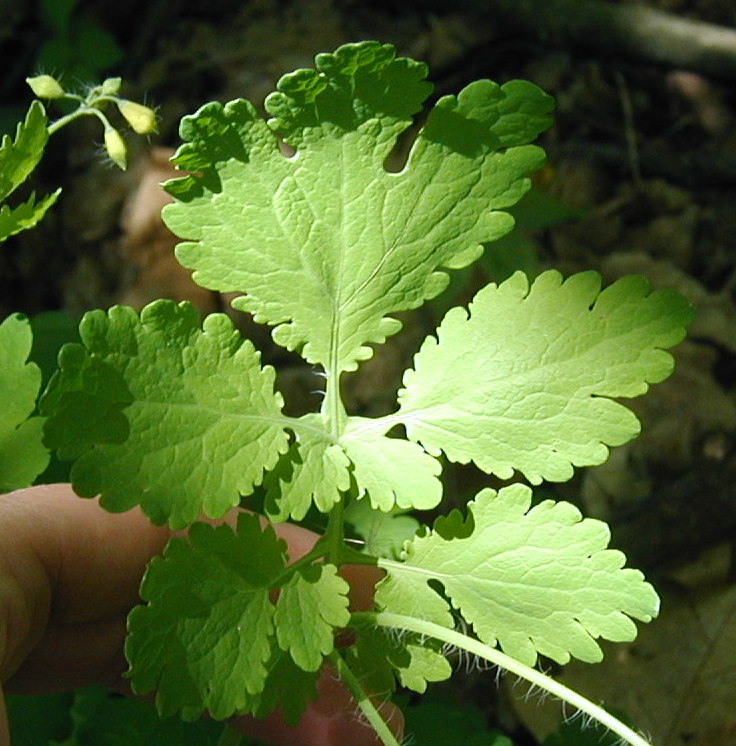

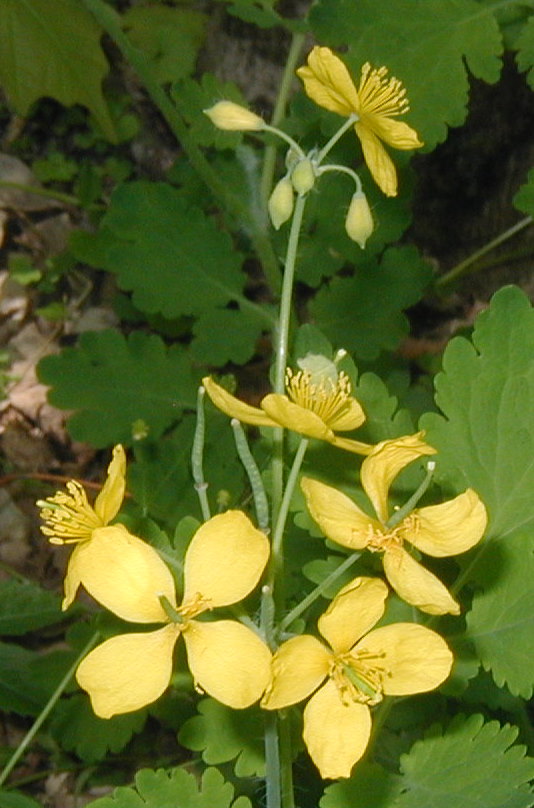
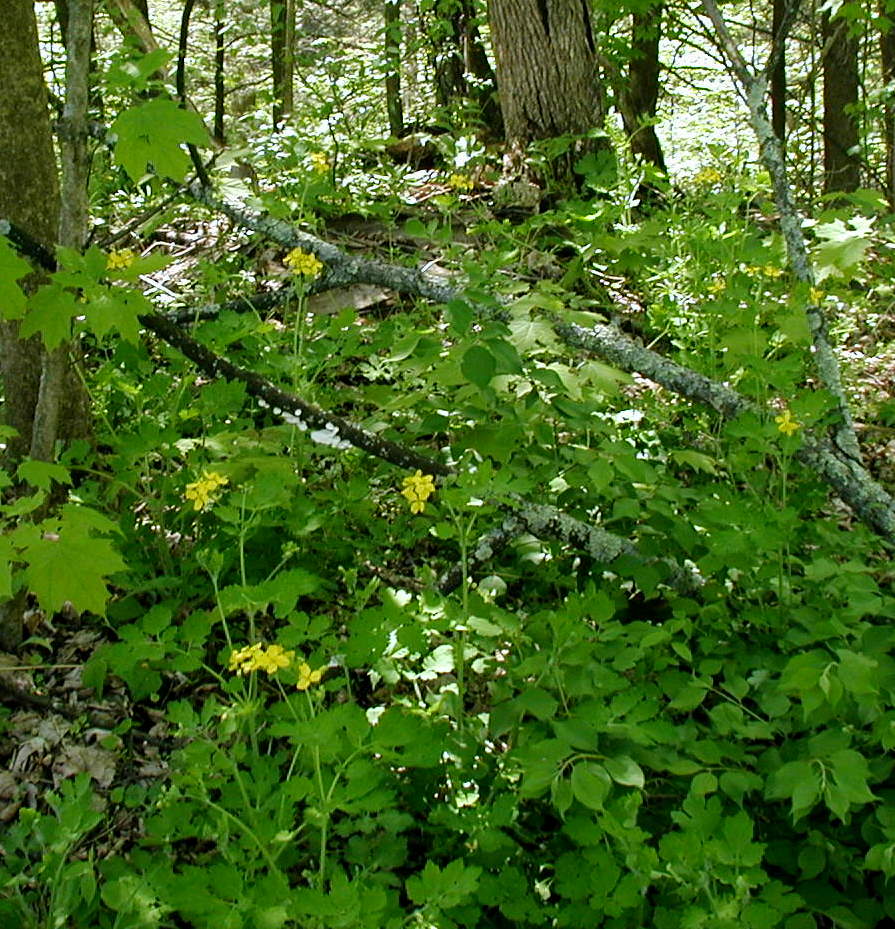
 warns us that the yellow juice obtained by breaking a stem is highly irritating, allergenic and most likely poisonous. At one time the yellow juice was used as a folk remedy for skin problems like warts, eczema and ringworm, but due to its toxicity we can’t recommend using celandine for any remedy. However, modern herbalists might disagree and
 ![Reblog this post [with Zemanta]](http://img.zemanta.com/reblog_e.png?x-id=1cae8b73-6203-4291-ae55-8b6bc20630e1)
![Reblog this post [with Zemanta]](http://img.zemanta.com/reblog_e.png?x-id=aab388fc-a65b-46a8-9bdd-f2af34f5da3b)